TWELVES
The Egyptian day
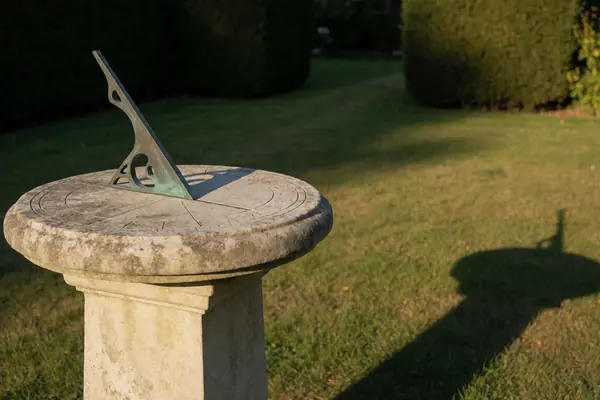
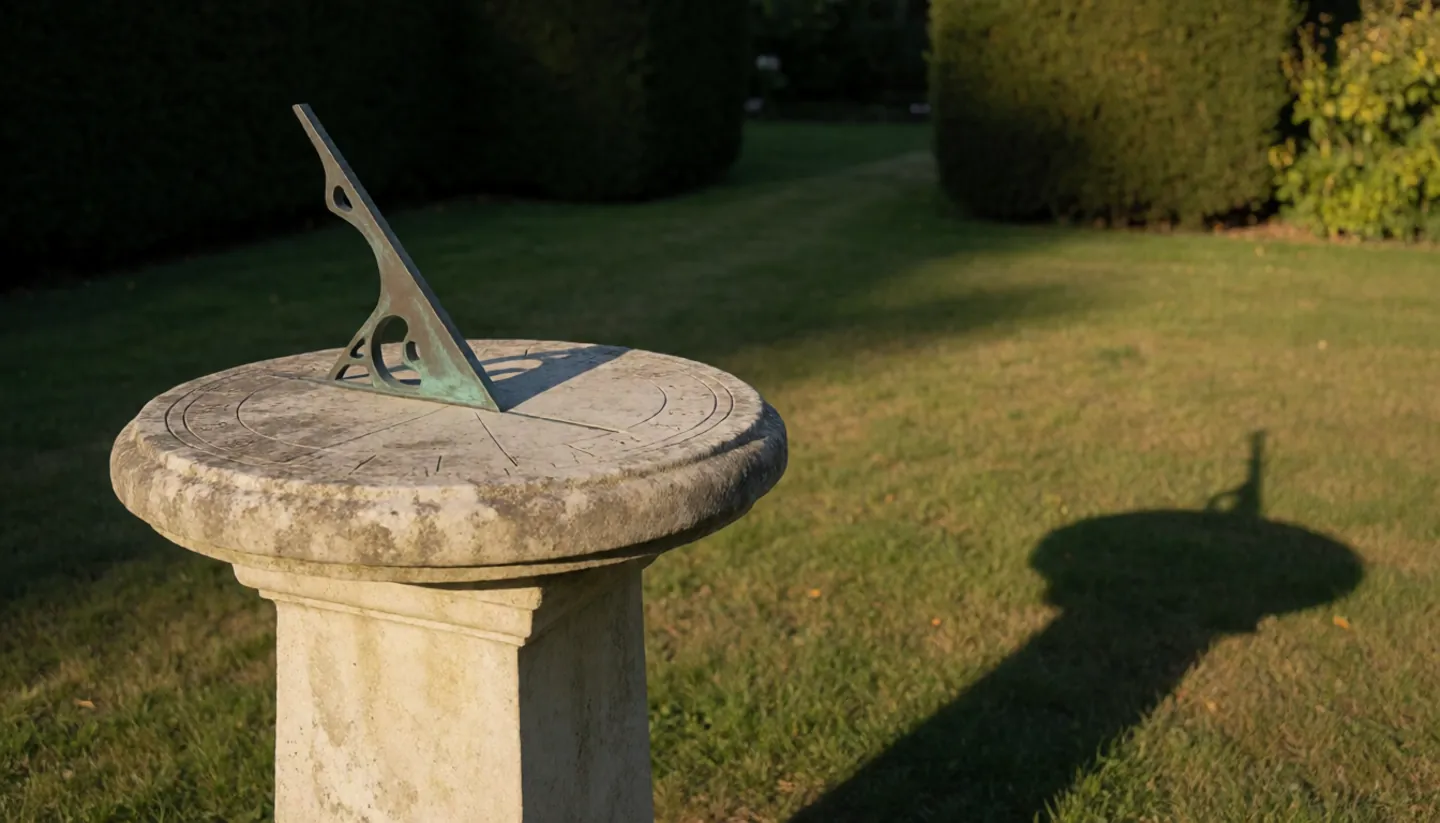
By about 1500 BC Egyptian sundials divided daylight into 12 parts, and star-watching divided the night into 12 too. Together they gave the 24-hour day.
Check a time unitA SHORT HISTORY OF TIME UNITS
We count in tens almost everywhere, except when we tell the time.
Days split into 24 hours, hours into 60 minutes and minutes into 60 seconds are inherited from Egyptian sundials, Babylonian astronomy and a Greek map of the world. The modern second, though, comes from an atom.
BASE 60 older than the clock
THE SHORT ANSWER
As explained by Michael Lombardi, a metrologist
at the US National Institute of Standards and Technology.
TWELVES
By about 1500 BC Egyptian sundials divided daylight into 12 parts, and star-watching divided the night into 12 too. Together they gave the 24-hour day.
Check a time unitMINUTES
Clock dials long showed halves, thirds and quarters of an hour. Mechanical clocks that displayed minutes did not appear until near the end of the 16th century.
Where the word comes fromSECONDS
Since 1967 the second has been defined by the caesium atom: 9,192,631,770 cycles of the radiation from one of its energy transitions.
See the numbersA QUICK TIME-UNIT CHECK
Pick a piece of everyday timekeeping to see where it came from. The bar shows how old the idea is, from the newest to the most ancient.
Based on Scientific American's explanation by NIST metrologist Michael A. Lombardi, the BIPM definition of the second and NIST pages on atomic time.
TWO NUMBERS WORTH KNOWING
The number that now defines the second,
and how well a caesium clock keeps it.
9,192,631,770
Caesium-133 cycles in one second
The BIPM defines the second by fixing the caesium frequency at exactly this many hertz, a definition first adopted in 1967.
THE SI SECOND · BIPM
1/3,000,000 s
How far a commercial caesium clock drifts in a year
NIST says commercially available caesium clocks keep time to within a three-millionth of a second per year, and experimental clocks using other atoms are ten thousand times more precise.
ATOMIC CLOCKS · NIST
NIST explains that a minute can occasionally last 61 seconds: a leap second, numbered 23:59:60, has always been added at the end of June or December to keep atomic time close to Earth's rotation.
BASE 60 IS STILL HERE
Sexagesimal counting dropped out of everyday arithmetic, but it survives in a few places you use often.
Sixty minutes to the hour and sixty seconds to the minute.
Degrees of latitude and longitude split into 60 minutes, then 60 seconds.
A circle of 360 degrees, a scheme Greek astronomers built on Babylonian methods.
Twelve hours of daylight and twelve of night, a legacy of Egyptian sundials and stars.
WHERE THE WORDS COME FROM
In his Almagest of around AD 150, Ptolemy divided each degree of latitude and longitude into 60 parts, and each of those into 60 more. The first division, partes minutae primae, became the minute; the second, partes minutae secundae, became the second.
So the minute began as a measure of angle on a map, not of time. It took more than a thousand years, and the mechanical clock, before most people counted their day in minutes.
Questions
Because of base 60, developed by the Sumerians around 2000 BC and used by Babylonian astronomers. Greek astronomers adopted their methods, and the divisions passed into timekeeping.
Egyptians divided daylight into 12 parts with sundials and the night into 12 parts using stars. Together they made 24, a sign of their use of base 12.
From the Latin partes minutae primae, the first small parts, Ptolemy's division of a degree into 60. The second division, partes minutae secundae, gave us the second.
Clocks that displayed minutes appeared near the end of the 16th century. Before that, dials divided the hour into halves, thirds, quarters or sometimes 12 parts.
Since 1967, by the caesium-133 atom: one second is 9,192,631,770 periods of the radiation from a particular transition in that atom, as set out by the BIPM.
Sources
ABOUT THIS NAME
doodleminute.com is part of the DoodleSale portfolio. It isn't in an auction right now, but you can ask about leasing it.